Thanks for the Exciting World Series, Dodgers and Astros

As seen on BigSpeak.com

It all came down to Game 7, just like it always should when two great teams compete for a championship. While the ending wasn’t as dramatic as the six games before it—the Astros took a commanding lead in Game 7 and never let go—it was an exciting journey to the end.

The setup was the classic matchup of who wanted it the most. On one side, we had the Astros who had never won the World Series in their 55-year history and had only reached the finals once before in 2005, where they had been swept aside in four games by the Chicago White Sox.

On the other side, we had the storied Dodgers franchise (over 130 years old!), which had been to the big game 21 times before, winning six of those contests, but hadn’t competed for top honors since 1988.

In the end, while it was the Astros who stormed the field as winners, the real winners were all the fans who were entertained by two championship teams.

For this memorable experience, BigSpeak would like to thank the team owners of the Dodgers, the Guggenheim Baseball Group who purchased the franchise in 2012—especially keynote speakers Peter Guber and Magic Johnson—for helping to bring back the championship spirit to Los Angeles baseball.

As any sports fan knows, both Peter Guber and Magic Johnson have the winning touch. As part-owner of the Golden State Warriors, Peter Guber has helped instill the winning spirit for a franchise that had not won a championship since 1975. After taking over ownership in 2010, the Warriors have won two NBA championships and are in the record books for the best single-season win record in basketball history.

Magic Johnson also knows about winning championships in L.A, having led the L.A. Lakers to five NBA championships in the 80s.


Kyle Crocco is an East Coast native and content creator for Big Speak. His career has taken him from authoring the Heroes, Inc. series, to living and teaching abroad in France and China, to completing his Ph.D. in Education at the University of California-Santa Barbara. He is also the lead singer for Duh Professors, a local Santa Barbara band.

Great Ideas to Turn Your Event into an Experience

As seen on BigSpeak.com

People remember more and for far longer when they are engaged. However, most events tend to be the same—same booths, same swag, same PowerPoints with a list of too many bullet points. After a few days, a person’s only memory of your event will be the name badge they didn’t throw away yet.

If you want to make your event stand out and be remembered for a long time, make it an experiential event.

What is an experiential event?

Like experiential marketing, an experiential event is a method to engage your audience with your brand. The idea is to engage attendees with events that are interactive, participatory, and hands-on.

There are three ways you can engage your attendees for an experiential event: Use multi-sensory experiences, have more human interaction, and use social media.

Creative examples of great experiential events

However, if you want to get really creative, you can be inspired by three of these 20 great experiential marketing ideas at events around the U.S.

At SXSW 2017, Oreos combined Twitter, 3D printing, and an oreo cookie to create a unique experience. The 3D printer created a personal oreo cookie made for the attendee from whatever flavor was trending on Twitter at the moment. This method made the experience hands on and interactive.

HBO used the popular idea of the Escape Room to engage other attendees at SXSW 2017. Each room was designed after one of their popular shows, such as Game of Thrones. There’s nothing more engaging than having attendees work together to solve a problem—and get a reward for doing so.

At the 2014 US Open, American Express engaged attendees by giving them RFID-enabled wristbands that recorded the attendees on-site experiences and sent them a personalized email. Fans could also interact in the text cafe and charge their phones at the same time.

Experiential keynotes and speakers

Gifted and inclusive keynote speakers can also make your event an experience. These dynamic speakers use technology, interactive demonstrations, and audience participation to get people involved.

Take top innovation speaker Tan Le, for example. She uses interactive technology to add a hands-on element to her events. Le gets the audience members involved—and focused on innovation —by using her Emotiv headset to give a live “mind reading” demonstration.

Top cybersecurity speaker Kevin Mitnick , on the other hand, likes to offer a customized keynote to give his audience an experience. Using pre-arranged questions from the client, Mitnick gives a hacking demonstration to illustrate the key answers and event messaging.

If you’re looking for an experience without technology, look no farther than top-5 after-dinner speaker Adam Christing. Christing’s specialty is using humor, magic, and improve games to get audience members on stage and involved and having fun.

But don’t worry! You don’t always need high tech to be experiential. You just have to make your event interactive. You can add games, such as a simple low-tech roulette wheel to get attendees moving and participating in your brand, or have a speaker use storytelling and theater techniques like Chic Streetman to get audience members involved.

Whatever it is, make it fun and unique and people will remember your event for a long time.

Also See:

How to Create an Experiential Event


Kyle Crocco is an East Coast native and content creator for Big Speak. His career has taken him from authoring the Heroes, Inc. series, to living and teaching abroad in France and China, to completing his Ph.D. in Education at the University of California-Santa Barbara. He is also the lead singer for Duh Professors, a local Santa Barbara band.

BigSpotlight: Jonas Kjellberg Digital Transformation Speaker, Co-Creator of Skype, Author, and Investor

As seen on BigSpeak.com

New to our roster of speakers is Jonas Kjellberg. Jonas is the co-creator of Skype and served as its managing director from 2003-2007.

A serial entrepreneur, Jonas thrived and then survived the dotcom boom, founding several tech companies such as Campuz Mobile, which was acquired by Vodafone, and Player.io, which sold to Yahoo. He has also been Vice President of Bertelsmann for Lycos Eurpose, CEO of Wyatt Media Group, and Chairman of the Board of iCloud.

When not speaking to businesses, Jonas lectures at Stanford University and Stockholm School of Economics on the topics of entrepreneurship and creating a winning sales culture.

He is the co-author of several books on starting and running a business: Gear Up: Test Your Business Potential and Plan Your Path to Success and Business Creation: Based on the Gear Up Framework

Jonas’s keynotes address questions like:

  • How to delight the product user?
  • What needs to be done to secure the innovation intent?
  • How can sales be built into the product, so that your customers will be part of your sales force by sharing their stories of delight?
  • How can you as an organization increase the frequency of that message to create a friction free story?

Listen to Jonas tell his entrepreneurial story and talk about his game changer method:


For more information on Jonas Kjellberg or to book him for your next keynote, email us at Info@BigSpeak.com


The content writers at BigSpeak Speakers Bureau are Experts on the Experts. They hold doctoral, masters, and bachelors’ degrees in business, writing, literature, and education. Their business thought pieces are published regularly in leading business publications. Working in close association with the top business, entrepreneur, and motivational speakers, BigSpeak content writers are at the forefront of industry trends and research.


Make Your Swag Great by Making it Meaningful

As seen on BigSpeak.com

We’ve all seen bad swag before—pens, keychains, and baseball caps with big logos we wouldn’t be caught dead wearing. And don’t get me started on large or heavy items like paperweights and backpacks that are bulky to carry around or take up too much space in our luggage.

On the other hand, there is the good swag that everyone likes, such as mints, powerbars, and water bottles that make our event day that much better. It’s like trick-or-treat but for adults.

But if you really want make your swag great, you need to make your gifts more meaningful.

The principle behind great swag

Swag is the chum we throw in the event waters in hopes of attracting people to our booths so we can advertise our products and services. However, if you are doing the same old generic swag that slaps your logo on a t-shirt or paper weight, you’re not going to bring in many new clients.

At heart, swag is a gift. And giving a gift invokes the strongest human persuasion principle possible: the principle of reciprocity. When someone gives you a gift, you feel obligated to that person. But how obligated you feel depends on how meaningful and appropriate that gift is for you.

According to social psychologist Dr. Robert Cialdini, author of the bestselling book Influence, you can be more effective with your gift giving if the gift is meaningful, unexpected, and customized.

For example: in one study when shoppers at a candy store received a free sample of chocolate upon entering the store, the shoppers were 42% more likely to purchase candy than those who did not receive a gift. A gift of chocolate in a candy store was a very meaningful gift. A key chain probably would not have gotten the same return.

Give meaningful and customizable swag

If you know your customer base well, you can easily customize your swag items. In the medical industry, pens used to be meaningful gift when physicians needed them for their work.

But how do you customize swag for hundreds of people? Short of having a 3D printing machine on site and making swag to order, you should think of destination or local swag.

Destination and local swag

Clients who are attending your event are often traveling from far distances. Many events are in different climates. So if your event is in Hawaii, you might give away free sunscreen or sandals. If you are in Seattle, you might think of giving away umbrellas.

In the same vein, you can localize your swag to the city. Give away local food or drinks. For example, if you’re in Portland you could offer Voodoo Doughnuts, or if you’re in Los Angeles you might offer Pink’s Hot Dogs.

Or you could offer a personalized map to show people in the conference the great places to visit and shop in the city.

Whatever you do, just remember to make it meaningful, and you will find you get a much better response rate.


Kyle Crocco is an East Coast native and content creator for Big Speak. His career has taken him from authoring the Heroes, Inc. series, to living and teaching abroad in France and China, to completing his Ph.D. in Education at the University of California-Santa Barbara. He is also the lead singer for Duh Professors, a local Santa Barbara band.

Confront Your Biases and Be More Inclusive With This 3-Step Process

As seen on BigSpeak.com

Risha Grant’s book That’s BS shows how to confront bias and be more inclusive.

Are you biased? Have you ever pre-judged someone you never met? If you felt uncomfortable with those questions, you’re not alone. We all have biases. Some are unconscious, some are validated, and all determine how we think and act towards certain groups.

However, if we never acknowledge these biases, we will never understand the power they have over our behavior or how they are affecting the diversity and inclusivity in our workplace.

Being more diverse and inclusive is important for success in business. Research has shown that companies that are more diverse have greater customer satisfaction and made 18 to 69% more in net income than companies that were less inclusive.

If you want help addressing your biases, diversity consultant Risha Grant has a book for you: That’s BS. Her book provides the reader with practical, no-nonsense advice about how to work on personal biases that doesn’t pull any punches.

Drawing on anecdotes from her life and from her years running the only award-winning, full-service diversity communications firm in Oklahoma, Grant explains the only way to increase diversity and inclusivity in our life is to give permission to ourselves to acknowledge and own our personal BS.

BS is short for “bias synapse.” Grant explains that synapses are the channels in our brain through which we act and think. In very real terms, we are our synapses. And some of these synapses function as bias synapses.

In the book, Grant shares a three-step process that grants the reader permission to acknowledge their biases and work on them as preparation for being more inclusive.

1. Identify your BS

The first step is to identify your personal BS. You can do this by asking three questions to assess, attribute, and identify the BS you have. Each question will take you deeper into the issue.

Assess: Who are the people who make me feel uncomfortable and why?

Attribute: Is the reason I am uncomfortable their fault, or is it my issue?

Identify: Are my feelings based on my personal experiences, societal norms, or a deeply rooted, long-held belief that was instilled in me as a child?

2. Own your BS

After you identify your personal BS, you need to own it. When confronted with our own personal BS, Grant says people can react in one of five ways: validation, passivity, shame, acceptance, and denial.

Validation is a bias that is based on our lived experiences. Say that you were cut off by a driver of a certain geographic location, such as a city driver. You might say that all “city drivers” are bad drivers. That bias is based on an actual experience. That does not mean you are excused from working on your bias; it just means you understand where it came from.

Passivity, shame, and denial are three ways people avoid working on biases. Shame makes you drag your feet about doing anything about a bias, passivity is your way of ignoring a bias, and denial is the way of pretending you don’t have a bias so you never confront it.

Acceptance is not a positive word in terms of bias. It means you accept that you are biased. For example: you might accept that you hate the New York Yankees or Dallas Cowboys and are fine with that and don’t want to change.

Whatever way we have handled bias in the past, once we own our BS in the present, we can work on it in the future.

3. Confront your BS

The last step is the hardest step. It is also the step we must continually work on during our life if we want to be inclusive. Grant says that the key to increasing inclusivity in our life is being intentional.

You must intentionally talk to people who are different than you to understand them. You must intentionally get out of your comfort zone to be comfortable with different groups.

Once you have confronted your BS, you can start taking the necessary steps in her book to make your life and workplace more inclusive.


Kyle Crocco is an East Coast native and content creator for Big Speak. His career has taken him from authoring the Heroes, Inc. series, to living and teaching abroad in France and China, to completing his Ph.D. in Education at the University of California-Santa Barbara. He is also the lead singer for Duh Professors, a local Santa Barbara band.

Master the Post Event Book Signing and Photo Lineup

As seen on BigSpeak.com

For attendees, a photo opportunity or a book signing with the speaker whose keynote just awed and inspired them can be a special way to end an event. Undoubtedly, these are nice ways to provide attendees with a special memento and a few minutes with the speaker.

For event coordinators, however, a photo lineup or book signing can be a logistical nightmare. Lines never seem to move or get any shorter and morph into clumps of people standing around aimlessly. Some people will take longer than their fair share of time with the speaker. Not everyone may get a copy of the speaker’s book or the opportunity to get it signed. Photos may turn out poorly due to lighting or a bad angle, and multiple re-takes will likely be requested. These are familiar scenarios for event planners.

To keep your post-event photo lineup or book signing functional, fun, and moving forward, follow these tips:

Photo line up

Hire a professional digital photographer

This will ensure that the photos come out right the first time. A professional photographer will set up the proper lighting, backdrop, and camera angle. With a professional photographer, there will be fewer (if any) photo retakes. The photos will be of better quality and the line will move more quickly. And attendees will appreciate the service and high-quality photos.

Bonus: Have a photo backdrop with event and sponsor logos printed on it. This will look more professional, and it’s a good way to promote the event.

Assign two people from your team to manage the line

Plan to have at least two ushers tasked only with the job of managing the line. One should manage attendees once they get to the front of the line and one should usher people away after they have taken the photo.

The first usher should instruct people of photo etiquette with the speaker and inform them where they can safely place their bags while taking the photo. After attendees have taken the photo, the second usher should hustle attendees along and inform them how and when they can access the photo. This second usher will also ensure that attendees don’t linger too long with the speaker after the photo has been taken and keep the line steadily moving.

Go one step further for VIP guests

For VIPs do a little something extra by sending them a framed copy of their photo in the mail. Consider engraving the frame with the event and speaker’s name, the date and the event location.

Where previously you could get 100 people through a photo lineup, with this system you’ll get 300 through in the same amount of time. Follow these tips and you’ll be well on your way to successfully managing the dreaded post-event photo lineup like a pro.

Book Signings

Coordinate all plans with the speaker’s team

Remember to maintain clear and open communication with the speaker’s team. Talk over plans to align your’s and the speaker’s expectations, needs, and preferences. It’s important to find out things like, how long the speaker is willing to stay after the event, and how many books are they willing to sign, before the day of the event.

Pro tip: a speakers bureau can help facilitate this discussion.

It’s also important to determine who is providing the books and how many are to be expected? Sometimes speakers will include an order of books in with their speaking fee, sometimes they will offer a discounted rate, and sometimes you will have to buy the books at retail cost on your own. Discuss and plan all of these details beforehand so there aren’t any surprises on event day.

Know how many books will be arriving and make sure they arrive on time

Many event coordinators have been disappointed by the number of books they received or didn’t receive on time. Check and double check that your books are arriving. Know exactly how many books are being delivered, and then manage expectations. If the event is relatively small, all attendees might get a book and the chance to have it signed. If the event is a large conference, it’s likely that not everyone will be able to receive a book.

Bring pens!

You’d be surprised how often this small but important detail is forgotten. Sharpies are the standard for many authors. Thick or thin—it’s their preference. But have plenty on hand.

Cut chit-chat to a minimum

Due to time constraints and preserving energy for the speaker, chit-chat during signing—other than an introduction and greeting—should be cut to a minimum. Follow photo lineup rule of assigning two ushers to manage the line. Determine beforehand if the schedule and the speaker will permit selfies during the book signing.

Set up the photo lineup or book signing location accordingly

Make sure the photo lineup or book signing is set up in a location that will not block people trying to exit the event and will allow ample space for attendees to form a line. This may seem obvious, but you’d be surprised how many times this actually isn’t thought through before setting up.


The content writers at BigSpeak Speakers Bureau are Experts on the Experts. They hold doctoral, masters, and bachelors’ degrees in business, writing, literature, and education. Their business thought pieces are published regularly in leading business publications. Working in close association with the top business, entrepreneur, and motivational speakers, BigSpeak content writers are at the forefront of industry trends and research.

BigSpotlight: Chris Kelly, Privacy and Security Expert, Employee 25 at Facebook, NBA Team Owner, and Tech Investor

As seen on BigSpeak.com

New to our roster of exclusive speakers is Chris Kelly, privacy and security expert, angel tech investor, and NBA team owner.

Chris Kelly has a long track record of representing and investing in innovative companies, and also in making the Internet a safer place.

Kelly was the 25th employee hired at Facebook and served as their first Chief Privacy Officer, General Counsel, and Head of Global Public Policy where he developed the site’s safety features and security policies.

In 2009, Kelly left Facebook to run as a candidate in the Democratic primary for California Attorney General, placing second in a crowded field despite having never been elected to office before.

Since then, Kelly has become a prominent investor in technology startups and independent films. Currently, Kelly is a chairman of the subscription-based movie theater service MoviePass, and serves as Chairman of Fandor, a San Francisco-based streaming media company focused on independent film and visual expression.

In 2013, he joined the executive board of a group of investors who purchased the Sacramento Kings NBA basketball team.

Before his time at Facebook, Kelly was a private practice attorney, where he represented Netscape in the Microsoft antitrust case and Diamond Multimedia in the suit over MP3 players that furthered personal use rights over digital content.

Why Chris?

Chris is versed in the legal ins and outs of privacy, cybersecurity, intellectual property, and the influence of technology on politics. His legal know-how coupled with his vast political experience allow Chris to bridge the worlds of technology and consumer rights in a simple and easy way that all audiences can understand.

Chris speaks on:

  • The intersection of sports and technology, and the intersection of politics, campaigns, and technology.
  • Privacy, security, and safety in a social media world.
  • The Facebook story, and what it takes to make the leap from small startup to a giant corporation.
  • How to succeed in Silicon Valley and how to find investors.
  • The future of technology and the digital world based on his inside experience as an investor in Silicon Valley tech companies

Listen to Kelly talk about his time at Facebook, and the nature of startups

For more information on Chris Kelly or to book him for your next keynote, email us at Info@BigSpeak.com


The content writers at BigSpeak Speakers Bureau are Experts on the Experts. They hold doctoral, masters, and bachelors’ degrees in business, writing, literature, and education. Their business thought pieces are published regularly in leading business publications. Working in close association with the top business, entrepreneur, and motivational speakers, BigSpeak content writers are at the forefront of industry trends and research.

Project Athena: The Gift of the Comeback

As seen on BigSpeak.com

“It’s not about the setback, it’s about the comeback,” says Project Athena Founder and  Adventure Racing World Champion Robyn Benincasa.

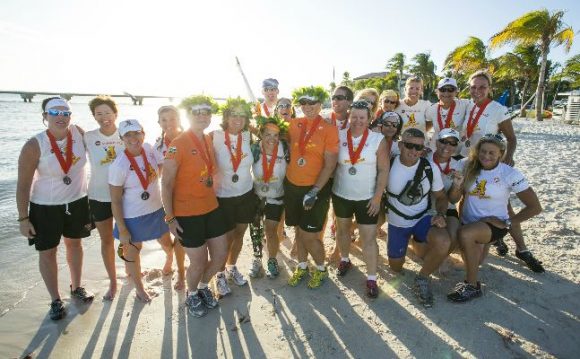
Project Athena—named after the Greek goddess of wisdom and the heroic endeavor-is a non-profit organization that helps survivors of medical and traumatic setbacks live out their adventurous dreams.

To get involved, would-be Athenas (or Zeus’s, as male participants are called) write into the website to tell their story and their adventurous dream.“Whatever your dream was when you had your setback–and you said, ‘If I could ever walk or run again, here’s what I would do’–Project Athena, will help you get there,” explains Benincasa.

Past Athenas have accomplished incredible things like running on the Great Wall of China, crossing the Grand Canyon twice on foot, and running their first marathon. Although, the purpose of Project Athena is “not about trying to get back to what you were,” says Benincasa. “It’s about trying to be the best at what you’re capable of today, in this moment.”

Setting a goal and having something to look forward to after a setback can help survivors rediscover the adventurous, capable, and confident person they are. Benincasa knows this from personal experience. After suffering from her own medical setback–five hip replacement surgeries–she created the Project Athena Foundation.

Everyone who works at project Athena is a survivor of some kind of medical or traumatic setback themselves. “One of the neatest things about the organization is that we have survivors helping other survivors,” says Benincasa.

Project Athena also offers six yearly adventures where women and men from different walks of life, with different abilities, come together to accomplish the same goal and help each other every step of the way.

One of Project Athena’s yearly scheduled adventures is a Rim to Rim trek across the Grand Canyon. The feat alone is incredible, but the team and relationship building between the group is what really makes the experience transformational, explains Benincasa:

The reason we cross the Grand Canyon twice is because once is an amazing challenge and a great accomplishment but twice is an epic journey that you wouldn’t ever undertake alone, and that’s where the magic happens. People go home feeling like they can take on the world, and that is the gift that Project Athena gives them.

Sometimes a setback offers a beautiful gift. The gift of the comeback. “The most gratifying thing,” says Benincasa, “is the moment you see someone realize they’re going to make it—when you see the fear disappear and they realize how awesome they truly are.”

You can also get involved with Project Athena as a fundraising God or Goddess. Gods and Goddesses can be family, friends, co-workers of an Athena, or anyone looking to participate in an adventure for a good cause. Visit ProjectAthena.org to learn more.


The content writers at BigSpeak Speakers Bureau are Experts on the Experts. They hold doctoral, masters, and bachelors’ degrees in business, writing, literature, and education. Their business thought pieces are published regularly in leading business publications. Working in close association with the top business, entrepreneur, and motivational speakers, BigSpeak content writers are at the forefront of industry trends and research.
How to Be More Memorable When Networking

As seen on BigSpeak.com

Networking is becoming an increasingly useful and necessary part of business, but with so many people vying for connections at busy offices and hectic networking events, it can sometimes be difficult to make a lasting impression.

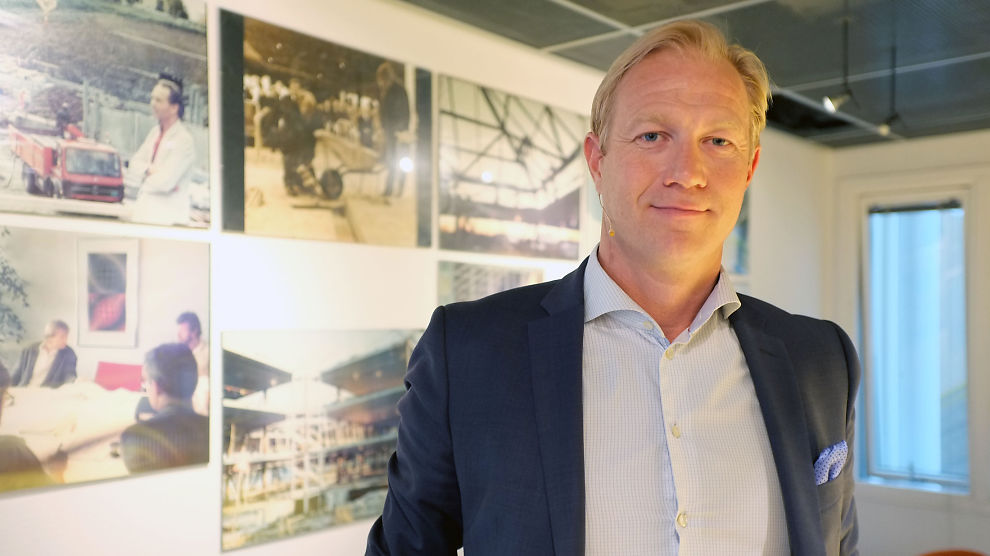
Corporate advisor, TED Talks mentor, and international businesswoman Soulaima Gourani reveals a few tips to help you stand out the next time you meet someone.

State your full name

As if remembering names isn’t difficult enough, think of how hard it is for someone to distinguish between the four different Kyles they met and the three different Sarahs. Even if your first name is pretty unique on its own, introducing yourself to people using your full name leaves a more lasting impression and gives people an extra shot at remembering it.

Explain what you do

Job titles only explain so much of what you do; and often, people with the same job title can have two very job descriptions depending on the company and industry they work in. Soulaima recommends, “Instead of introducing yourself with ‘I’m a _____ at _____’ and expecting that to be self-explanatory, give a brief explanation of what you do.” People will remember you better if they understand what it is you actually do. It also opens the door for them to ask follow-up questions about your and your career.

Be interested–not only interesting

Many people think the key to being memorable during a networking situation is to make yourself sound as interesting as possible by spouting off every personal accolade and experience you can think of about yourself. But being interested and engaged in what the other person has to say is equally–if not more–important. Soulaima advises, “Focus on the conversation you are having at that moment, and don’t think about what you will be doing next…People can tell if you’re not present and it will leave a bad impression.”

Tailor your questions

To learn more about others, and to help others learn more about you, Soulaima recommends asking questions along three different levels: professional, technical, and personal.

Ask Questions about the other person’s company and/or industry. For example, as questions like, “What is your industry’s biggest challenge right now?” and “What changes do you foresee happening within the next few years?”

“Ask questions that touch on the other person’s professional skills so you know what they can do, what they want, and what they dream about achieving during their professional career,” Gourani says. For example, “How did you get into ____?” or “What do you like most about your job?”

Ask questions that touch on the other person’s personal life “without getting into their private matters,” Soulaima says. Ask where they are from and, if they are from out of town, how do they like x location so far, she suggests. Or ask how the person got into their career/industry–they might have an interesting story behind it to tell.

Spin your newness

Don’t let your inexperience in a particular industry or newness in a certain position shut you out of meaningful conversations with others.“Everybody has a special competence from which other people can benefit. You just need to identify it and communicate it so that people can remember you,” Soulaima says. “If you are young without much experience, then make an effort to find out what it is that makes you unique. Mention your qualities easily and simply so that the individual you are talking to can quickly get an idea of who you are, what you can do, and your professional goals.”


The content writers at BigSpeak Speakers Bureau are Experts on the Experts. They hold doctoral, masters, and bachelors’ degrees in business, writing, literature, and education. Their business thought pieces are published regularly in leading business publications. Working in close association with the top business, entrepreneur, and motivational speakers, BigSpeak content writers are at the forefront of industry trends and research.

Human Resources (HR) Keynote Speakers

Human resource (HR) keynote speakers are experts in establishing and driving talent management initiatives, performance management processes, career development, executive staffing, coaching, and diversity and inclusion efforts of the world’s top companies. They also pioneer the latest trends in human resources and talent management. Human resource keynote speakers help you attract and retain the most competent, motivated employees and show you how to create organizations that add value to customers, build capabilities, remove boundaries and align HR strategies, practices and competencies, resulting in higher levels satisfaction and performance.

Robert Richman

Robert Richman is a culture strategist and was the co-creator of Zappos Insights, an innovative program focused on educating companies on the secrets behind Zappos’ amazing employee culture. Robert was at Zappos.com before, during, and after the Amazon.com acquisition. As one of the world’s authorities on employee culture, Robert is a sought after human resources keynote speaker at conferences around the world and has been hired to teach culture in person at companies like Google, Toyota, and Eli Lilly. He has pioneered a number of innovative techniques to build culture, such as bringing improv comedy to the workplace and started the first co-working space in America.

Chester Elton

Chester Elton has spent two decades as a human resources keynote speaker helping clients engage their employees to execute on strategy, vision, and values. In his provocative, inspiring and always entertaining talks, #1 bestselling leadership author Chester Elton provides real solutions to leaders looking to manage change, drive innovation, and lead a multi-generational workforce. Elton’s work is supported by research with more than 850,000 working adults, revealing the proven secrets behind high-performance cultures.

Adrian Gostick

Gostick is a global workplace expert and thought leader in the fields of corporate culture, leadership, and engagement. He is founder of the training and consulting company The Culture Works and author of the #1 New York Times, USA Today and Wall Street Journal bestsellers All In and The Carrot Principle. His books have been translated into 30 languages and have sold 1.5 million copies around the world.As an Authority on Workplace Engagement, Adrian will share how the transformative power of purpose-based recognition produces astonishing increases in operating results

Kim Scott

Kim Scott is the co-founder and CEO of Radical Candor, Inc which builds software tools for managers.  Known for her ability to generate billions of dollars in revenue from millions of small customers while keeping her team happy and margins high, her unofficial title was High Priestess of the Long Tail. She is the author of a book called Radical Candor: How To Be a Kickass Boss without Losing your Humanity, which focuses on important human resources aspects such as giving and getting feedback as a way to learn and develop better relationships with coworkers

Paul Moya

Harvard Multi-Generational Expert Paul Moya is best known for his role as CEO of Millennial Labs—a global consulting firm focused on segmentation marketing and generational behavior. His discoveries have impacted leaders in audiences as large as 54,000 and have helped brands such as Visa, Microsoft, General Motors, and the Department of Defense to interpret and act on human behavior in the workplace, marketplace, and voting booth. Paul blends Harvard Strategy with Cowboy Practicality to present viable solutions that deliver quantifiable results. His research takes insight from psychology, neuroscience, behavioral economics, and plain old-fashioned ‘cowboy wisdom’ to close the gap between the big-data strategies.

Seth Mattison

Seth Mattison is an internationally renowned expert on workforce trends and generational dynamics. As Founder and Chief Movement Officer of FutureSight Labs, Seth advises many of the world’s leading brand and organizations on the key shifts happening around talent management, change and innovation, leadership, and the future of work. As a professional human resources keynote speaker, Seth blends storytelling from his own personal experience working with category leading brands while leveraging cutting edge research to develop fresh perspectives on the key strategic issues most relevant for today’s leaders.

Jamie Naughton

Jamie Naughton joined Zappos.com, Inc. in 2004. As Speaker of the House, Jamie works directly with CEO Tony Hsieh, focusing on the culture for which the company has become known. Her role is essential in creating and driving the architecture of the dynamic culture as well as focusing on culture R&D to ensure Zappos.com always stays relevant to both the employees and their customers. As a human resources keynote speaker, Jamie travels the country to work with world-renowned companies, authors, researchers, and business leaders to help spread the concept that by focusing on your employees and customers, good companies can become legendary companies.

Ben Casnocha

Ben Casnocha is an entrepreneur, author, and executive in Silicon Valley. He is co-author with LinkedIn founder Reid Hoffman of the recent New York Times bestseller The Alliance: Managing Talent in the Networked Age, which has become one of the most sought-after management frameworks on how to recruit, manage, and retain entrepreneurial employees. Ben’s research in The Alliance is focused on creating mutually beneficial relationship between your organization and employees assuring retention, and results. As a seasoned professional human resources keynote speaker, and talent development and human capital speaker, Ben delivers customized programs integrating proven methodologies, modern strategies, and technologies.

To learn more about these and other Human Resources (HR) Keynote Speakers contact us at Keynote Speaker Experts.

Top Female Business Keynote Speakers


While there are many top female business keynote speakers, these women are among our favorites. They have overcome adversity and obstacles to deliver their unique brand of insight and perspective to the corporate world, and now engage global business audiences on a wide range of topics

Bethenny Frankel

Bethenny Frankel is a businesswoman ahead of the curve, who has always identified and capitalized on business opportunities. She was runner up on Martha Stewart’s The Apprentice, a star on the Real Housewives of New York, the founder of Skinnygirl, and virtually created the low-calorie cocktail category. She is also a five-time New York Times bestselling author. Bethenny speaks on the topics of leadership, branding, and work-life balance for female business moguls.

Padmasree Warrior

Cisco Chief Technology & Strategy Officer Padmasree Warrior is charged with aligning technology development and corporate strategy to enable Cisco to anticipate, shape, and lead major market transitions. Prior to Cisco, Padmasree was executive vice president and CTO of Motorola. Forbes has named her one of the “The World’s 100 Most Powerful Women” for two years running.

Kim Scott

Kim Scott is the co-founder and CEO of Radical Candor, Inc which builds software tools for managers.Known for her ability to generate billions of dollars in revenue from millions of small customers while keeping her team happy and margins high, her unofficial title was High Priestess of the Long Tail. She is also the author of Radical Candor: How To Be a Kickass Boss without Losing your Humanity. As a top female business keynote speaker, Kim speaks on the topics of leadership, human resources (HR), and communication.

Joan Kuhl

Joan is the Founder and President of Why Millennials Matter, an international keynote speaker, consultant on career and leadership trends. Why Millennials Matter is a training, research and consulting agency based in New York City that focuses on raising awareness to employers about the value of investing in their future workforce. Joan has over 13 years of corporate management experience working in the roles of sales, marketing, organizational effectiveness, training and development at Eli Lilly, Forest Laboratories and Actavis (now Allergan).

Juliet Funt

Juliet Funt is the CEO of WhiteSpace at Work, a training and consulting firm that helps organizations, their leaders and employees flip the norms of business in order to reclaim their creativity, productivity and engagement. Juliet helps attendees learn the pivotal difference between activity and productivity. She teaches them a streamlined method for personal process improvement – leading to more creativity and engagement.WhiteSpace can change the negative patterns and behaviors that prevent them from achieving optimum results. As a top female business speaker, Juliet speaks on topics like corporate culture, focus and productivity, and creativity.

Dambisa Moyo

Dambisa Moyo is a global economist and author who analyzes the macroeconomy and international affairs. Dambisa Moyo serves on the boards of Barclays Bank, the financial services group, SABMiller, the global brewer, and Barrick Gold, the global miner. She was an economist at Goldman Sachs and a consultant to the World Bank in Washington, D.C.She is a four-time New York Times bestsellers author of Dead Aid: Why Aid is Not Working, How the West Was Lost: Fifty Years of Economic Folly and the Stark Choices Ahead, and others. This top female business keynote speaker, speaks on global shifts in economics, politics, and business, global resources, and emerging global markets.

Patty McCord

Patty McCord is a top female business keynote speaker. She served as Chief Talent Officer of Netflix for fourteen years and helped create the Netflix Culture Deck. Sheryl Sandberg called Patty’s Netflix Culture Deck “the most important document to come out of Silicon Valley.” Her background includes staffing, diversity, communications, and international human resources. Her book, “Powerful. Teams, Leaders and the Culture of Freedom and Responsibility” was recently published in the fall of 2017.

Jamie Naughton

Jamie Naughton is the Chief of Staff and Speaker of the House at Zappos. She works directly with CEO Tony Hsieh, focusing on the culture for which the company has become known. Her role is essential in creating and driving the architecture of the dynamic culture as well as focusing on culture R&D to ensure Zappos.com always stays relevant to both the employees and their customers. She speaks on culture, branding, and engaging both customers and employees.

Sara Blakely

Sara Blakely is the founder and CEO of Spanx. She came up with the concept when she wanted footless bodyshaping pantyhose to wear with her cream-colored pants and open-toed shoes, but she couldn’t find them anywhere. Frustrated consumer turned entrepreneur, Blakely took $5,000 in savings and began her adventure in the $2 billion male-dominated hosiery industry. Sara Blakely’s SPANX revitalized an industry in a 10-year slump. Her SPANX footless pantyhose even captured the attention of Oprah and landed on Oprah’s “Favorite Things” list. All of this makes her one of our favorite female business keynote speakers.

Polly Labarre

Polly Labarre is a founding member of Fast Company Magazine. A top female business speaker, Polly helps make organizations more resilient, innovative and inspiring–and to embolden and equip leaders at every level to make a meaningful impact. She also co-authored the bestselling book Mavericks at Work: Why the Most Original Minds in Business Win which has been published in 16 languages. She speaks on leadership, innovation, and cultural and organizational change.
To learn more about these and other top female business speakers, contact the Keynote Speaker Experts. We’ll help you find the perfect speaker for your next event.

Human Resource Keynote Speakers

Human Resource Keynote Speakers are recognized experts, executives, researchers and authors in the fields of leadership, communications, interpersonal skills, and much more. They’ve are often responsible for establishing and driving the talent management initiatives, performance management processes, career development, executive staffing, coaching, and diversity and inclusion efforts of the world’s top companies, as well as pioneering the latest trends in human resources and talent management.

Robert Richman

Robert Richman is a culture strategist and was the co-creator of Zappos Insights, an innovative program focused on educating companies on the secrets behind Zappos’ amazing employee culture. Robert was at Zappos.com before, during, and after the Amazon.com acquisition and helped the company grow from 1200-1700 people during his time there (50% growth). Robert built Zappos Insights from a small website to a thriving multi-million dollar business teaching over 25,000 students per year. Robert is a top human resources speaker and through his work, he has been helpful at improving the employee culture at hundreds of companies like Google, Toyota, Eli Lilly, and Inuit.

Chester Elton

One of today’s most influential voices in workplace trends, Chester Elton has spent two decades helping clients engage their employees to execute on strategy, vision, and values. In his provocative, inspiring and always entertaining talks, #1 bestselling leadership author Chester Elton provides real solutions to leaders looking to manage change, drive innovation, and lead a multi-generational workforce. Elton’s work is supported by research with more than 850,000 working adults, revealing the proven secrets behind high-performance cultures.

Liz Wiseman

Liz Wiseman is a leadership and human resources keynote speaker to executives and emerging leaders around the world.  She is the President of the Wiseman Group, a leadership research, and development firm headquartered in Silicon Valley.  She is the author of three best-selling books:  Rookie Smarts: Why Learning Beats Knowing in the New Game of Work, Multipliers: How the Best Leaders Make Everyone Smarter and The Multiplier Effect: Tapping the Genius Inside Our Schools.  She has conducted significant research in the field of leadership and collective intelligence and writes for Harvard Business Review and Fortune.

Paul Moya

Harvard Multigenerational Expert Paul Moya is best known for his role as CEO of Millennial Labs—a global consulting firm focused on segmentation marketing and generational behavior. His discoveries have impacted leaders in audiences as large as 54,000 and have helped brands such as Visa, Microsoft, General Motors, and the Department of Defense to interpret and act on human behavior in the workplace, marketplace, and voting booth.

Seth Mattison

Seth Mattison is an internationally renowned expert on workforce trends and generational dynamics. As Founder and Chief Movement Officer of FutureSight Labs, Seth advises many of the world’s leading brand and organizations on the key shifts happening around talent management, change and innovation, leadership, and the future of work. With his finger on the pulse of today’s changing human resources workforce, Seth blends storytelling from his own personal experience working with category leading brands while leveraging cutting edge research to develop fresh perspectives on the key strategic issues most relevant for today’s leaders.

Contact us to find out more about these and other Human Resource Keynote Speakers.